
https://odb.org/2025/09/29/christs-resurrection-power
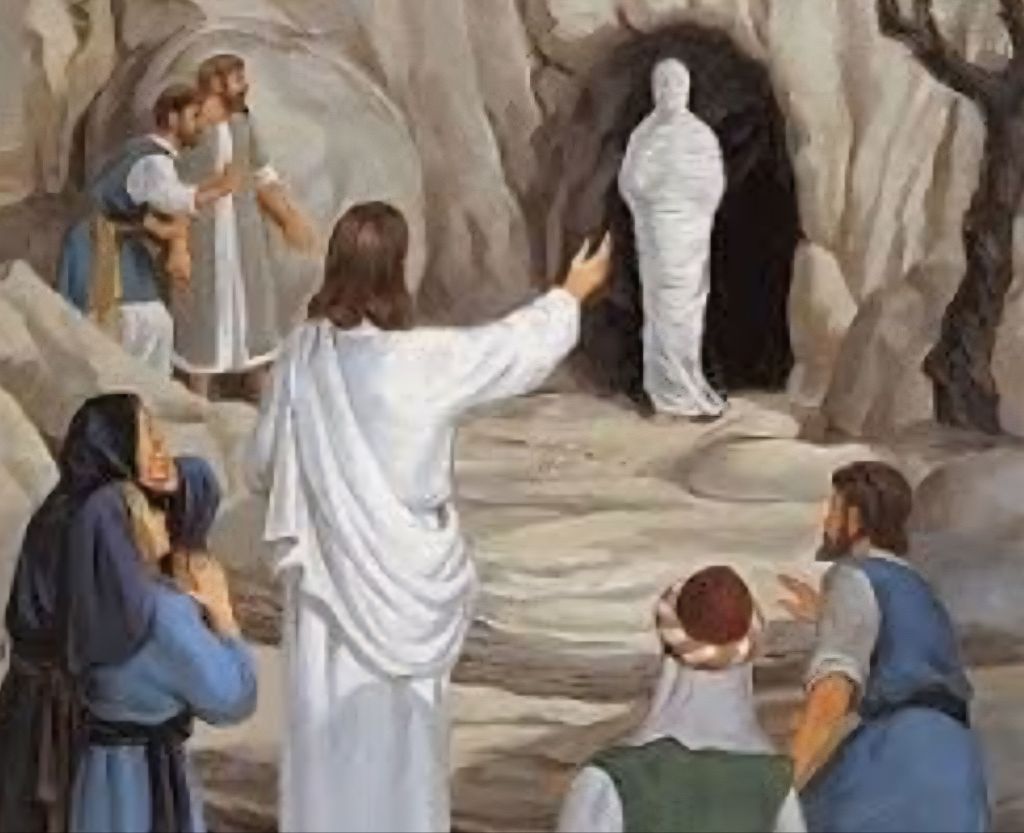
John 11:38–44 (NIV): 38 Jesus, once more deeply moved, came to the tomb. It was a cave with a stone laid across the entrance. 39 “Take away the stone,” he said.
“But, Lord,” said Martha, the sister of the dead man, “by this time, there is a bad odour, for he has been there four days.”
40 Then Jesus said, “Did I not tell you that if you believe, you will see the glory of God?”
41 So they took away the stone. Then Jesus looked up and said, “Father, I thank you that you have heard me. 42 I knew that you always hear me, but I said this for the benefit of the people standing here, that they may believe that you sent me.”
43 When he had said this, Jesus called in a loud voice, “Lazarus, come out!” 44 The dead man came out, his hands and feet wrapped with strips of linen and a cloth around his face.
Jesus said to them, “Take off the grave clothes and let him go.”
The raising of Lazarus from the dead is one of the more popular events from the Gospel that preachers touch from the pulpit. Rightly so because it is phenomenally supernatural! Jesus didn’t arrive moments after his death but four full days after he died! In fact, He delayed his arrival on purpose to prove that it was not some pure coincidence or the use of some CPR techniques to revive the heart. It was past the 3-day period when Jewish traditions believed the soul would have left the body. Modern science confirms that decomposition would have started by then with cells (including blood) having started breaking down. That is why there was a foul smell.
While theologically, it confirms the diety of Christ as resurrection is not just the healing of a disease or ailments. But the recalling of the soul after death. As souls returned to God after death, it proved that Jesus was indeed God since He was able to command the soul to return to the body after it had departed.
This is, however, not the resurrection that Jesus Himself pioneered after His own death. This is not the victory over sin and death that forms the basis for our faith. Jesus’s resurrection was into a glorified body that we place our hope on that one day we will likewise be resurrected (if we had already died by then) to be with Christ when we meet Him in the air on rapture. The difference is that on rapture, we will not die anymore and will actually live forever (the everlasting or eternal life in John 3:16), unlike Lazarus who eventually died a natural death in old age.
Applying this to our lives, there is a sense there was a resurrection when we first accepted Christ. Our spirit, which was dead, was made alive by the Holy Spirit. This was spoken of even during ancient times in Ezekial 36:26.
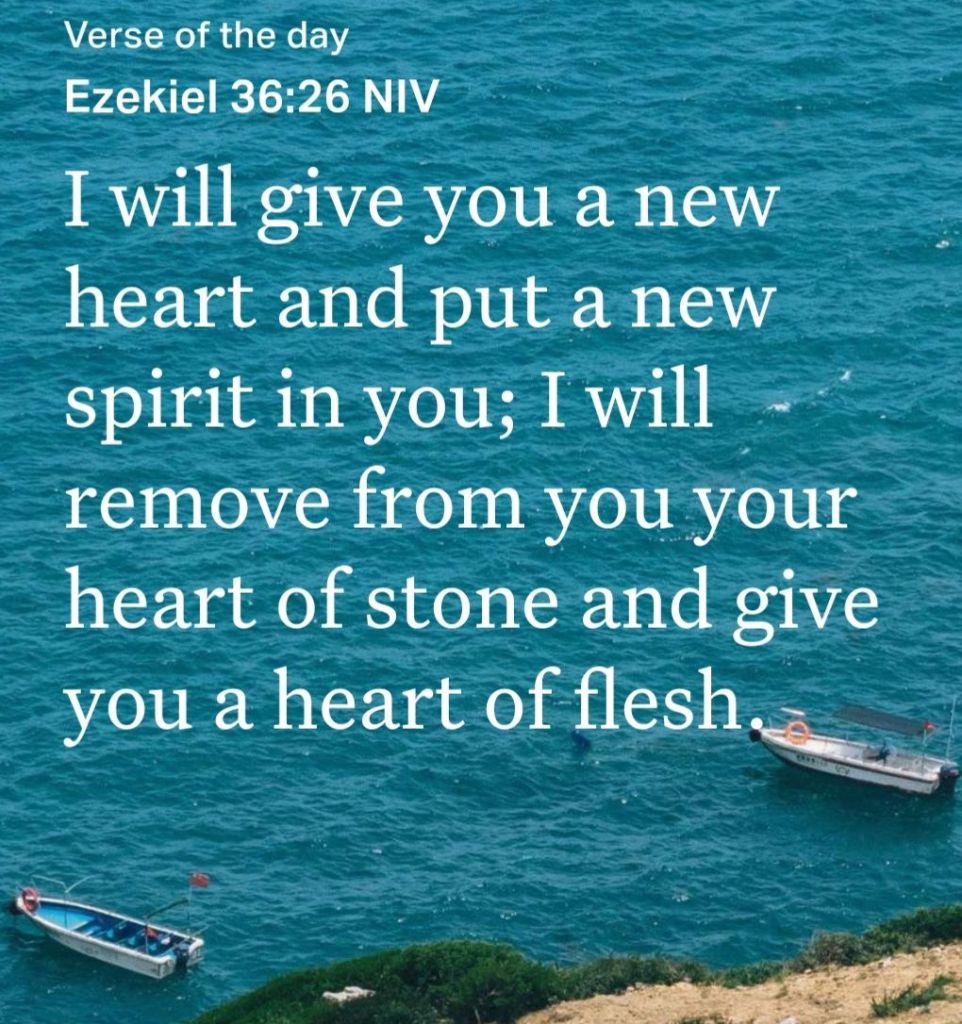
In Christ, we have a new heart and a new spirit. A spirit that is born-again, made alive, resurrected. A spirit that is enabled and empowered to connect with God and receive of His wonderful blessings and goodness. A spirit revived that reaches out to fulfil the will of God, to respond to His calling, and to make His plans and purposes for our lives a reality. We can tap into the spiritual, are sensitive to the happenings of the spiritual world, and can pray for God to intervene in our midst as children of God and co-heirs with Christ.
Christ’s resurrection also speaks of resurrecting and transforming our dreams and desires of the past buried by our dark moments into new rebirths, new starts, and new beginnings. The Lord will restore what the locusts have devoured. Our path to eternal life will be filled with joyful moments of faithful service even as we strive to achieve His will here on earth as it is in heaven. Indeed, let us let the Kingdom of God reign victorious in our midst over our ailments, sicknesses, and weaknesses. May our lives be an extension of the Kingdom of Grace. Where is the Kingdom of Heaven today? It is in our midst, in the midst of our natural and broken lives, resurrected and empowered by the power of the Holy Spirit!
Have a good week ahead, everyone!
 Ronnie's Thoughts