
https://odb.org/2025/07/08/prayer-of-desperation
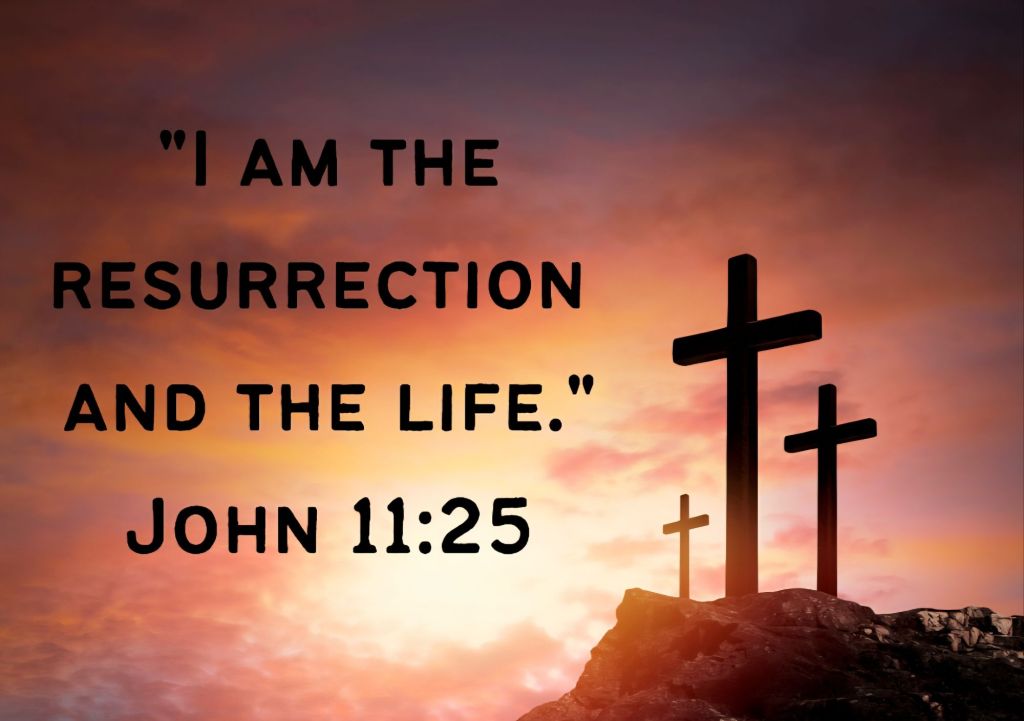
John 11:17–25 (NIV): 17 On his arrival, Jesus found that Lazarus had already been in the tomb for four days. 18 Now Bethany was less than two miles from Jerusalem, 19 and many Jews had come to Martha and Mary to comfort them in the loss of their brother. 20 When Martha heard that Jesus was coming, she went out to meet him, but Mary stayed at home.
21 “Lord,” Martha said to Jesus, “if you had been here, my brother would not have died. 22 But I know that even now God will give you whatever you ask.”
23 Jesus said to her, “Your brother will rise again.”
24 Martha answered, “I know he will rise again in the resurrection at the last day.”
25 Jesus said to her, “I am the resurrection and the life. The one who believes in me will live, even though they die;
This morning, as I read the ODB article (see link attached) on prayers of desperation, I fully agree with the writer Kenneth Petersen’s assertion that God neither heals everyone nor brings all dead people back to life. But sometimes, He does raise the dead, like in the case of Karey as well as Lazarus in the bible. That’s part of the mysteries of the Kingdom of God.
Fundamentally, we need to accept that life and death are in the hands of God. Thus, as much as the LORD determines when we will die, He may also postpone our death. Besides resurrection as in Jesus with Lazarus or Elijah with the widow’s son (1 King 17:17-24), another example recorded in the bible was King Hezekiah being granted by Yahweh an extension of 15 years of his life although he was terminally ill and was about to die (see 2 Kings 20 and Isaiah 38).
The significant difference between the ancient Jews of the Old Testament and we believers of Christ is that although both believed in the resurrection of the dead, we will experience resurrection that will last for all eternity. The Jews of Old believed in resurrection based on their ancient beliefs while we believe based on Jesus’s teachings that He is the resurrection and life and the one who believes in Him will live although they die (see John 11:25 above). It is founded upon the death and resurrection of Christ Himself having defeated sin and death. The resurrected body of Christ is our hope of glory as we look forward to the day when we will have our glorified bodies and live forever in God’s and Christ’s presence in the new heaven and new earth.
Thus, in my view, we should never approach healing or resurrection as of right as it is by God’s grace, mercy, love, and compassion that we are healed or live again after we die like Lazarus. If God has a purpose that we live on even though we had died, then He will raise us even from the dead. That’s part of the mysteries of the Kingdom! The point is not that He is able or not, but whether it is part of His will for our lives. In some cases, God’s name is glorified in our weakness or sickness – that is, despite not healing us. In Lazarus’ case, his resurrection gave much glory to God and turned many unbelievers into believers during his time.
In all that we do, always seek God as to His plans and purposes for our lives. Always strive to live in the centre of His will. Whether we live or die or we are healed depends on His will. For example, whether we continue working after 60 if given a chance or whether we should be more involved in ministry or embark on a career change or quit our day job to go into business or even go full-time for the Lord, seek out His plans and purposes for us for that season of our life. If we align ourselves with God’s will, we will live with peace and joy for as Paul said before; to die is gain, to live is Christ! And as we live, we will discover more of the mysteries of His Kingdom!
 Ronnie's Thoughts